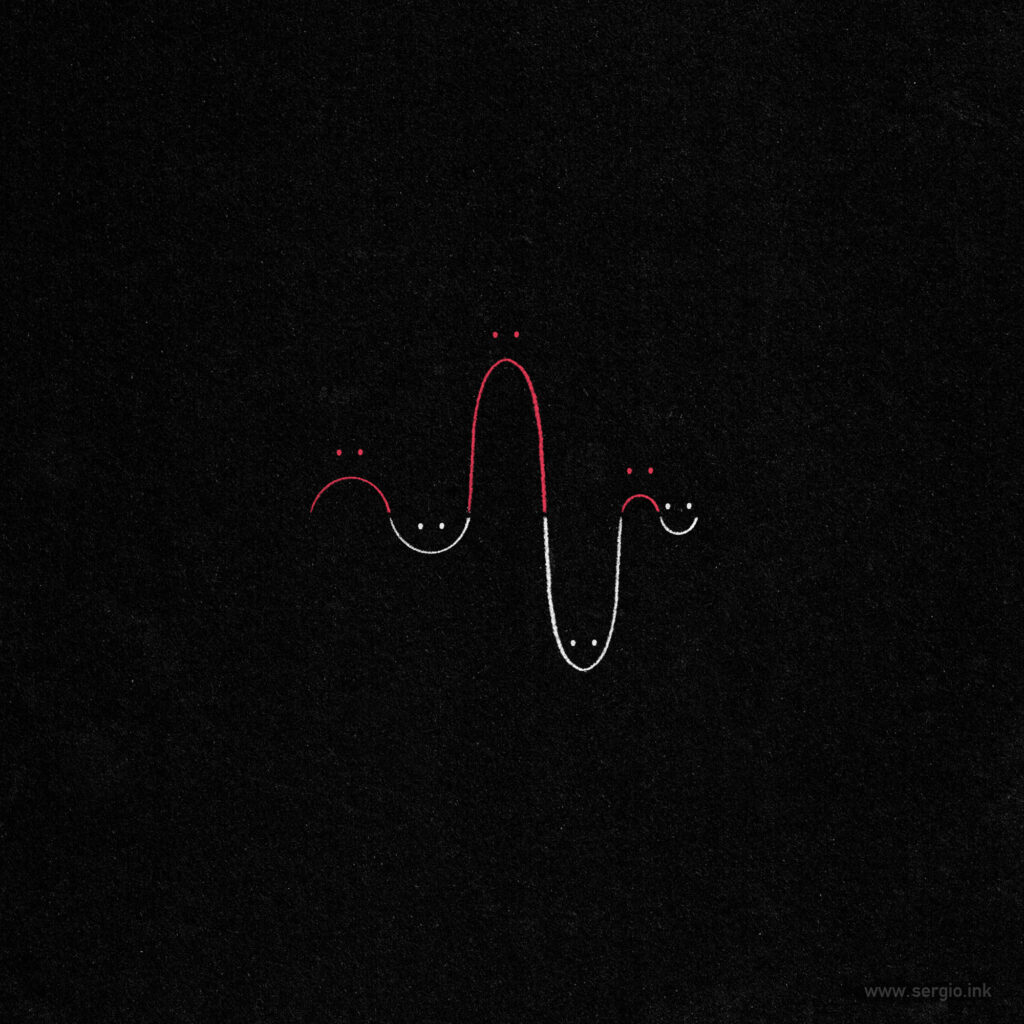
Creativity is Not a Destination

Creativity is not a destination—it’s a lifelong journey.

Dedicating our time and attention to the creative act is one of the most promising, fruitful, satisfying, and courageous investments we can make in ourselves.

Once unleashed, it multiplies infinitely—each realized idea holds seeds for the next, just like fruit.

The art and challenge is to cultivate it in our lives with patience and faith.

Divergent Thinking

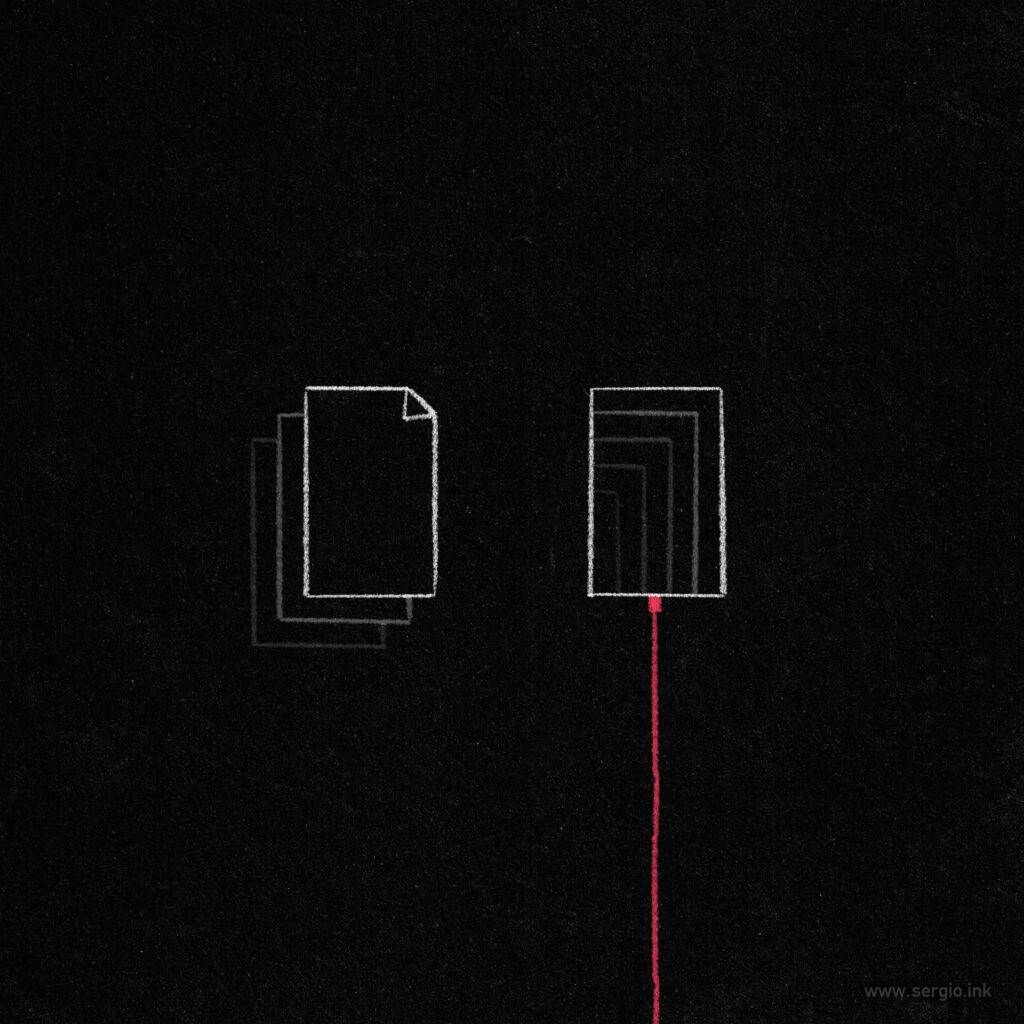
Create choices before you make choices.

Divergent thinking is the ability to generate as many different ideas, options, or solutions as possible from a single starting challenge—such as a problem, task, question, or constraint.

In this early stage of the creative process, it’s all about quantity—not quality.

It’s about exploring and expanding possibilities—pushing approaches and directions. Especially the weird ones.

This is not the time for rules, restrictions, concerns, evaluations, judgments, or criticism.

Accept that, and the process begins to feel like play—twisting, turning, and transforming ideas in any way you can imagine.

Divergent thinking is the mental expansion before creative decisions are made.

The key is to let every single bit of mental data breathe.

Bottom Line

No thought is trivial.

We’ll see which of them survives throughout the process.

Only then will a decision be made—and chances are high that it might be the best one.

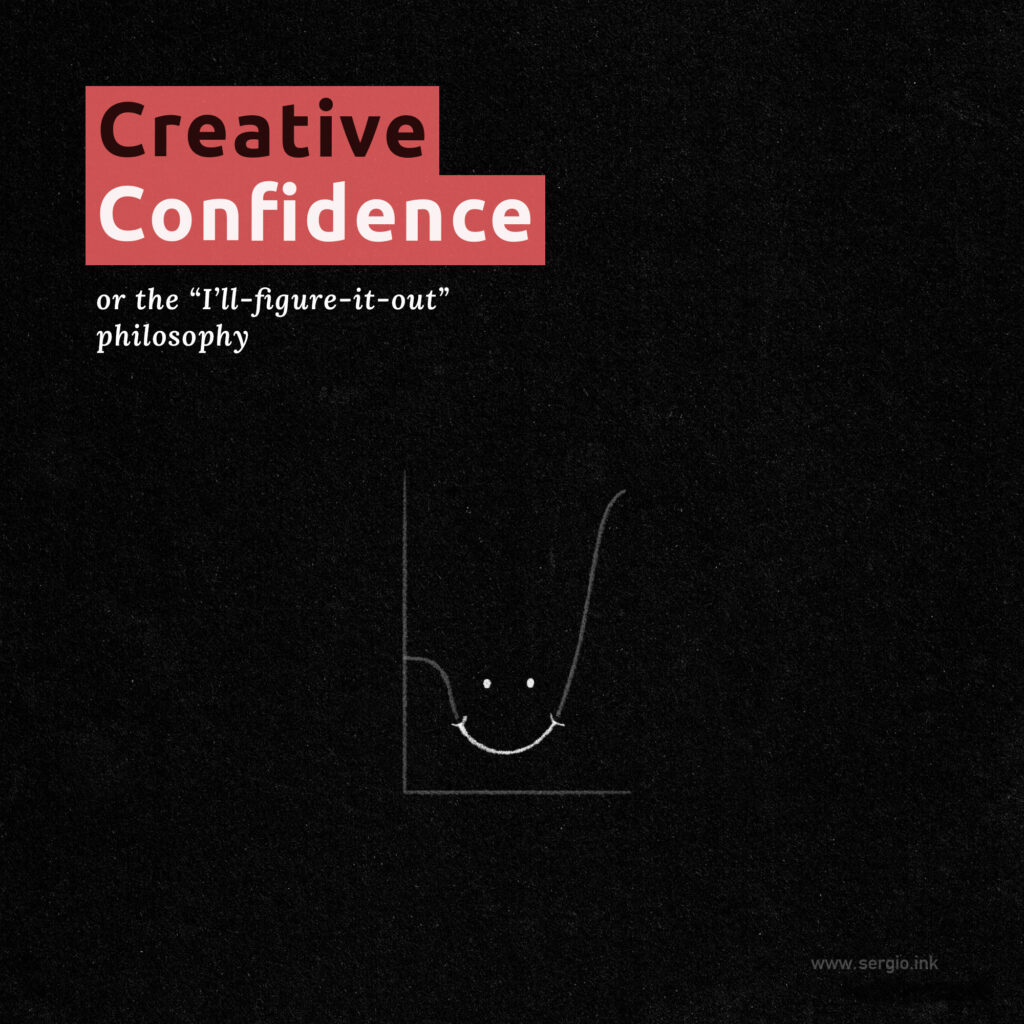
Creative Confidence

“We live in an outcome-focused culture,” Seth Godin writes in his book The Practice.

During industrialization, this made sense—outcomes needed to be fast and predictable.

But we’re entering an era of automated results and democratized, open-source knowledge

—all just a tab away.

The Last Human Advantage 

In the face of peak efficiency, one thing remains inimitable:

The process.

Not the generated one — the experienced one.
The unique, lived journey to the result.

That’s the place of personal growth, meaning, and creative confidence.

Continue reading “Creative Confidence”

The Blank Page

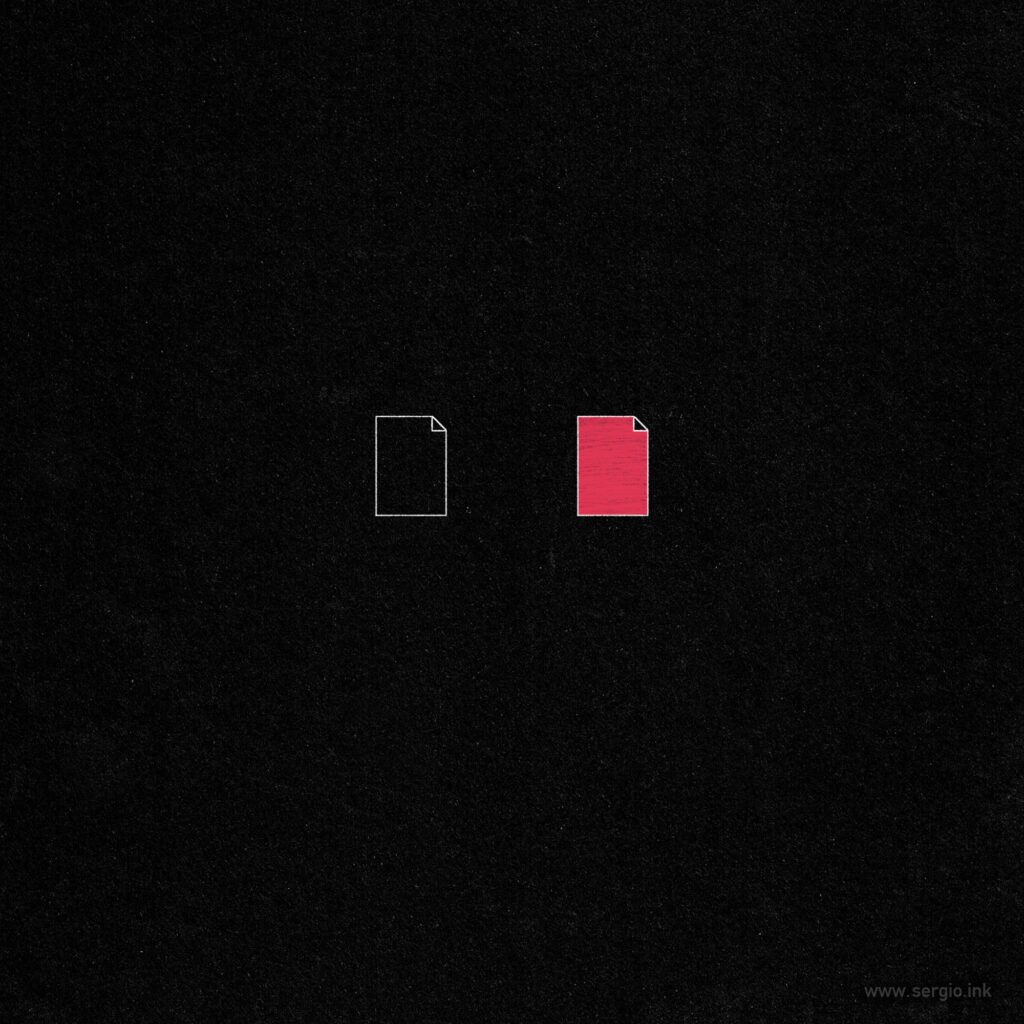
The blank page is never empty—it’s filled with doubts and fears.

You are not alone.

The fear of the blank page is real. Anyone who has ever tried to manifest their inner world—ideas, visions, perspectives—knows it does exist.

But where does it come from? Why is it so mighty that it can hinder so many ideas from blooming and enriching the world?

Because every imagination carries expectation.

The moment we bring it on paper, we start comparing our creation with that internal image or with other people’s work.

We expect it to look alike—and that’s a battle we can’t win.

To beat the blank page, we must learn to meet our expectations with kindness and flexibility.

Because…

The Truth is

The image on paper will never overlap exactly with the one in our mind.

Never.

That’s not failure. That’s the game.

And we can choose to enjoy it—despite waves of frustration and anxiety during the whole process.

Let go of expectations, and flow will follow.

Here are Three Quick Tips to Start

  1. Keep the ink moving
    Whether you want to write or sketch something—just hit the canvas. Describe your current feelings or draw random doodles. It’s like a warm-up session before pushing the weights.
  2. Crumble perfection
    Sometimes the flawlessness of a clean page, a new sketchbook, or notepads can intimidate the beginning. Break the perfection by tearing off a corner of the paper or crumpling it. Process is always messy and has no space for order.
  3. ”Dance with the fear”
    It’s one of my favorite messages from Seth Godin. Accept that the fear will never go away. It’s part of the process, and all we can do is embrace and dance with it.

Start ugly. But start.